In the fast-paced Australian retail landscape of 2026, logistics is no longer a “back-office” function—it is a competitive front-line strategy. With Australian eCommerce reaching record heights and consumer expectations for same-day delivery becoming the norm in Sydney, Melbourne, and Brisbane, businesses are at a crossroads.
Should you manage your own warehouse, or is it time to leverage 3PL services in Australia?
This guide explores the state of third-party logistics in 2026, helping you navigate the complexities of fulfillment, shipping costs, and the technology required to stay ahead in the Australian market.
1. The State of Australian Logistics in 2026
The Australian 3PL market has evolved rapidly. Driven by a 5.6% CAGR, the industry is now valued at over AUD 200 billion. This growth is fueled by “The Amazon Effect,” where 80% of Australian shoppers now prefer same-day shipping, and 40% will abandon a cart if shipping fees are too high or delivery times exceed three days.
The Rise of Distributed Fulfillment
Traditionally, a single warehouse in Sydney was enough. In 2026, the “Golden Triangle” (Sydney, Melbourne, Brisbane) isn’t enough to satisfy national demand. Top-tier 3PL providers now offer distributed inventory models, allowing brands to split stock across multiple states to reduce “last-mile” delivery times and costs.
2. Why Outsource to a 3PL? The Strategic Advantages
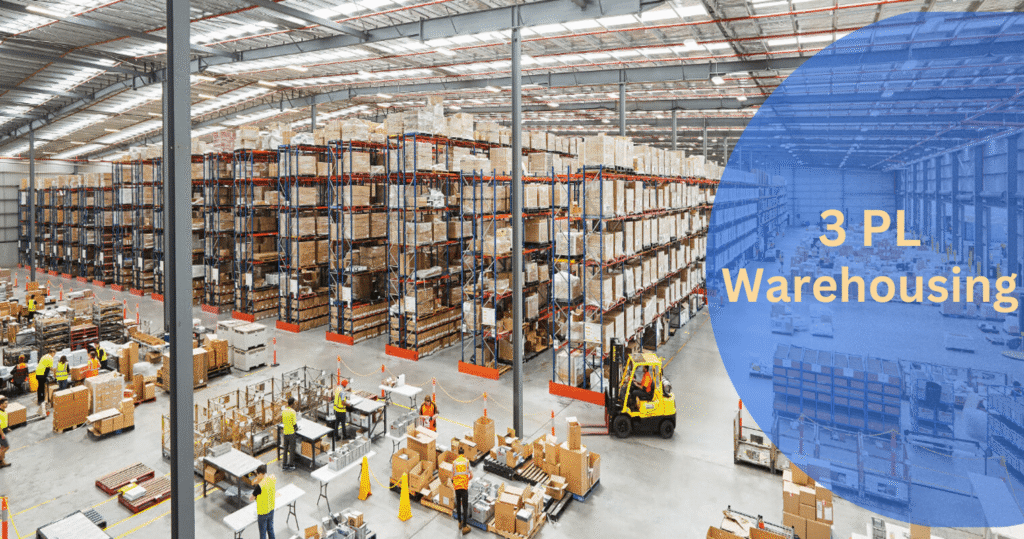
Outsourcing to a 3PL isn’t just about “picking and packing.” It’s about leveraging infrastructure that would cost millions to build internally.
A. Scalability and Elasticity
Australian retail is seasonal. Between Click Frenzy, Black Friday, and the EOFY sales, your order volume can spike 300% overnight. A 3PL provides “elastic” warehousing—you only pay for the shelf space you use and the labor required for that day’s orders.
B. Reduced Shipping Rates
3PLs like ShipBob, SKUTOPIA, and AMZ Prep act as aggregators. Because they ship millions of parcels, they have access to “Enterprise Level” rates with Australia Post, StarTrack, and Aramex. These savings often offset the 3PL’s management fees entirely.
C. Advanced Tech Integration
In 2026, manual data entry is a relic. Modern 3PLs use AI-driven Warehouse Management Systems (WMS) that sync natively with:
- Shopify & WooCommerce
- Amazon Australia & eBay
- https://www.google.com/search?q=Catch.com.au & Myer Market
3. Key Features to Look for in an Australian 3PL Partner
Not all 3PLs are created equal. When auditing a partner for your Australian operations, look for these non-negotiable features:
1. Real-Time Inventory Visibility
You cannot sell what you don’t have. Your 3PL must provide a dashboard showing real-time stock levels across all hubs. This prevents “overselling” and the dreaded “out of stock” notification that kills customer trust.
2. Multi-Carrier Shipping Software
Avoid being locked into a single courier. A high-quality 3PL uses software to “rate-shop” in real-time, choosing the fastest or cheapest carrier (like Team Global Express for interstate or Bondi Delivery for local Sydney spurts) based on the customer’s postcode.
3. Sustainable Packaging Options
Sustainability is a massive ranking factor for brands in 2026. Many Australian 3PLs now offer:
- 100% compostable mailers (Hero Packaging style).
- Right-sized boxing to reduce carbon footprints.
- Solar-powered “Green Warehouses.”
4. Comparing 3PL Costs: What Should You Expect?
Understanding the “Rate Card” of an Australian 3PL is vital for your margins. Most providers follow this structure:
| Fee Type | Description | Average Cost (AUD) |
| Receiving/Inbound | Unloading containers and shelving stock. | $2 – $5 per pallet/box |
| Storage Fee | Monthly charge per pallet or shelf bin. | $15 – $25 per pallet/mo |
| Pick & Pack | Picking the item and putting it in a box. | $2.50 – $4.50 (first item) |
| Shipping | The actual postage cost. | Varies by weight/zone |
| Account Management | Monthly software and support fee. | $50 – $200 |
5. Overcoming the “Last-Mile” Challenge in Australia
Australia’s geography is a unique challenge. Shipping from a Perth warehouse to a customer in Darwin is expensive and slow. To combat this, 2026 has seen the rise of Micro-Fulfillment Centers (MFCs).
MFCs are small, highly automated warehouses located in high-density areas like Alexandria (Sydney) or Richmond (Melbourne). By positioning your “Top 20” fast-moving products in an MFC, you can offer 2-hour delivery in CBD areas, a major edge over international competitors.
6. Returns Management (Reverse Logistics)
In 2026, the average return rate for Australian eCommerce is 15-30% in fashion. A 3PL that handles “Reverse Logistics” will:
- Receive the returned item.
- Inspect it for damage (photos sent to you via the portal).
- Steam/Refurbish and return to “Active Stock” for resale.This saves the environment and your bottom line.
7. 3PL Trends to Watch in 2026
AI and Predictive Analytics
The best 3PLs now use AI to predict your stock needs. By analyzing historical data from your Shopify store, they can warn you: “You will run out of ‘Size Medium’ in 14 days; we recommend restocking now.”
Robotics and AMRs
Autonomous Mobile Robots (AMRs) are now standard in large Australian warehouses. They reduce human error and allow for 24/7 picking, ensuring that an order placed at 11 PM on Sunday is ready for the first truck on Monday morning.
8. How to Choose the Right 3PL: A Checklist
Before signing a 24-month contract, ask these questions during the warehouse tour:
- Cut-off times: Do you offer same-day dispatch for orders placed before 2 PM?
- International Shipping: Do you handle customs and “Duty Paid” (DDP) shipping for my NZ customers?
- Fragile Handling: What is your “damage rate” for glass or electronics?
- Accountability: Do you offer a Service Level Agreement (SLA) with penalties if you miss shipping deadlines?
9. Conclusion: Is 3PL Right for Your Brand?
If your team is spending more than 10 hours a week packing boxes instead of growing the business, the answer is Yes. In the 2026 Australian market, speed is the ultimate currency. Moving to a professional 3PL service isn’t an expense; it’s an investment in your brand’s reputation.